
Back to Where It Started
Returning to Rosewood to teach toolmaking reminded me why building your own tools still matters.

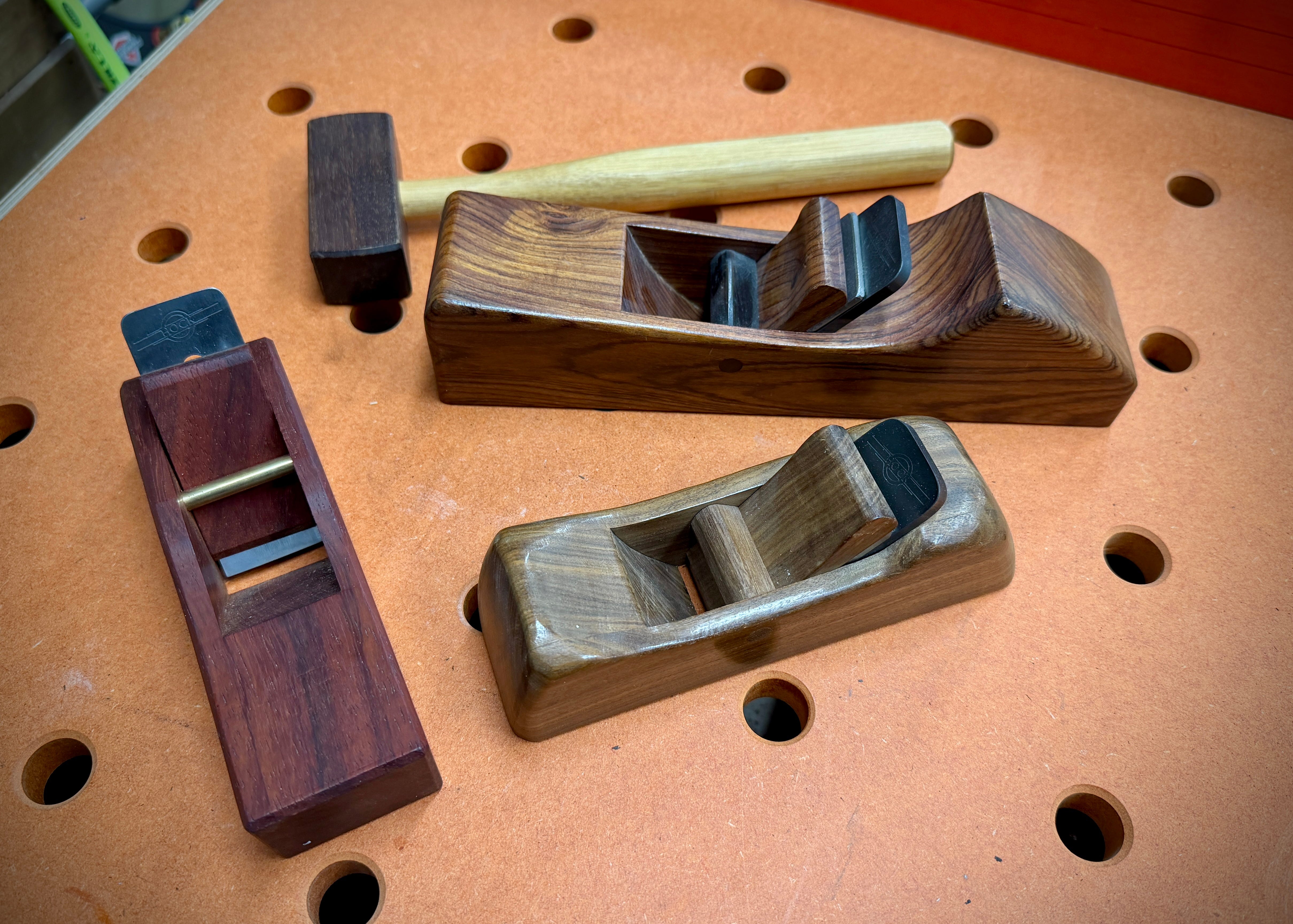
When I was a student at Rosewood Studio, one of my favourite parts of the program was learning how to make our own tools.
We made hand planes, chisels, and paring knives. At the time, it felt like a fun and interesting project. Looking back, I realize it shaped the way I think about woodworking.
Since then, I’ve taken real joy in making my own tools.
There’s something deeply satisfying about being able to make something that helps you make something else. It changes the way you approach problems in the shop. Instead of immediately thinking, “ What tool do I need to buy?” you start asking, “ Could I make the exact tool I need for this job?”
That shift in mindset is powerful.
I remember building a table with eight-sided tapered legs and running into a problem. Once the machining was complete, I needed a way to clean up the facets while keeping the geometry crisp.
A metal smoothing plane would have been the wrong choice. Too much weight and too much sole length. There would have been a good chance of tipping the plane and softening the crisp edges that gave the leg its shape and character.
So instead, I made a tool.
I built a small rosewood block plane sized specifically for the task. Light in the hand, easy to control, and perfectly suited to the work. It allowed me to refine the facets without sacrificing the geometry.
Problem solved.
There’s a certain satisfaction in using a tool you made with your own hands to solve a woodworking problem. Sometimes the best tool for the job simply doesn’t exist. Or at least not in the exact form you need it.
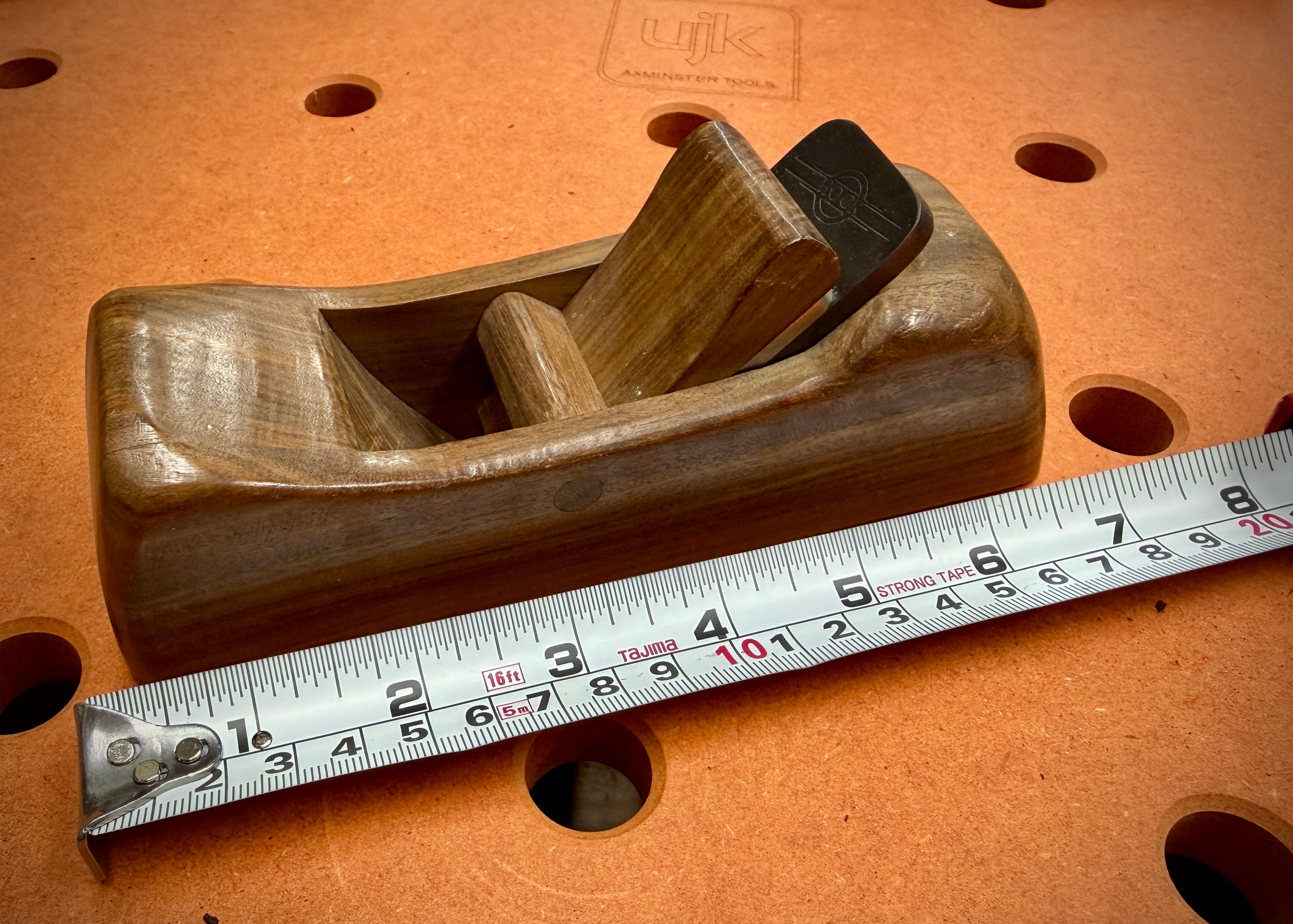
I also enjoy modifying tools so that the handles are customised to my comfort because not every handle is made to suit every hand.
Manufacturers do a pretty good job of getting close, but “close” and “perfect” are two different things. Sometimes all it takes is removing a little material here and there with a rasp to make a handle feel like it truly belongs in your hand.
When I worked in Research & Development at Veritas Tools, I saw this firsthand.
During the development of the Custom Plane line, we went through hundreds of 3D-printed totes and knobs. Months of testing eventually narrowed things down to two tote styles in three different sizes.
That’s a tremendous amount of work to improve ergonomics. And even then, we knew they still wouldn’t fit everyone perfectly because hands are different.
What feels great to one person may feel awkward to another. Making your own tools gives you the ability to shape them to fit your hand, your grip, and your style of working.
When you make a tool, you start paying attention to details you may have overlooked before. Ergonomics. Balance. Geometry. Why one shape works better than another. You begin to understand not just how to use a tool, but why it works.
And that changes the way you woodwork. Which brings me back to where this all started.
This month, I’m heading back to Rosewood to teach a week-long class on making your own woodworking tools.
Over the course of the week, students will build a hand plane, a small wooden adjusting hammer, a planing board, and a fine dovetailed box to hold their new creations.
If learning to make tools sounds interesting, I’d love for you to join me. You can check out the course details through Rosewood’s website.
And if you’re looking for more personalized woodworking help, whether it’s hand tools, sharpening, project guidance, or developing better habits in the shop, you can also visit my website to learn more about one-on-one mentorship opportunities.
I highly recommend trying your hand at making your own tools. Not only do they work well and fit your style of work, but they will become favourites because you made a thing, to make a thing.
In order to understand, you must do. - Vic
That’s a great little plane, Vic. I made one similar to it a couple of years ago from a piece of figured walnut that was gifted to me specifically for that reason. It adds another dimension to making your own tools: when I pick it up I remember that thoughtful gift and the person who gave it.
What I find I love about wooden hand planes made to fit your hand is that they become less of a tool to wield and more of an extension of your hand. Something so special about that.
Enjoy the class!
Funny you should publish this article tonight. Just yesterday I wanted to change my Ridgid oscillating sander from belt sander mode to spindle sander mode but the locking knob was so tight that I couldn't turn it by hand. I tried a pair of vise grips but realized that it was just tearing the rubber cover off the knob, so I grabbed a scrap piece of the birch wood I was working with and traced out the outline of the knob, cut it out and fitted it to the knob and now I have a home -made wrench for all future problems.