
Built Before Marketing Took Over
An old drill press, modern tool design, and the cost of unnecessary complexity.

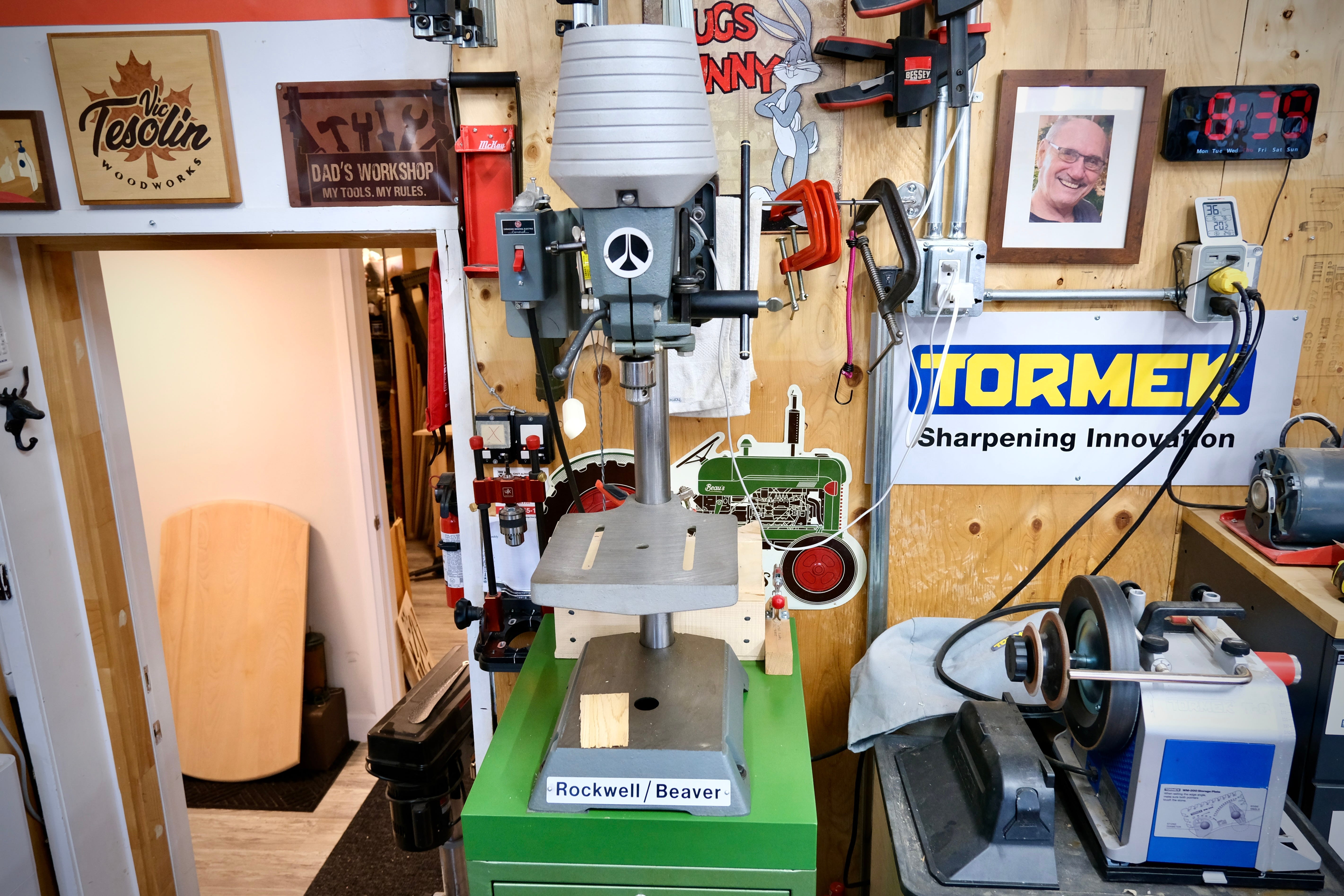
A lot of people get excited about “smart” tools now: Bluetooth. Touchscreens. Digital readouts. Firmware updates, apps. Somewhere along the way, tool companies decided that what woodworkers really wanted was for their drill press to resemble the dashboard of a 2026 Hyundai EV. Meanwhile, I just bought a forty- or fifty-year-old Rockwell/Beaver drill press, and I couldn’t be happier about it.
The machine is a Canadian-made Rockwell/Beaver bench-top drill press, likely from the late 1960s or 70s. Cast iron head. Cast iron table. Cast iron base. Heavy enough that moving it by myself reminded me that I’m over 50. It uses a simple step-pulley system for speed changes and has exactly zero interest in connecting to WiFi. The funny thing is, I wasn’t even looking for an old machine specifically.

I was looking to replace my existing mid-level drill press because I was tired of the sloppy feel and the absolute garbage depth stop. Every time I used it, something felt slightly vague. Slightly loose. Slightly irritating. The depth stop would drift. The quill never felt particularly precise. Nothing was terrible, but nothing inspired confidence either. That low-grade frustration eventually became enough for me to start looking elsewhere.
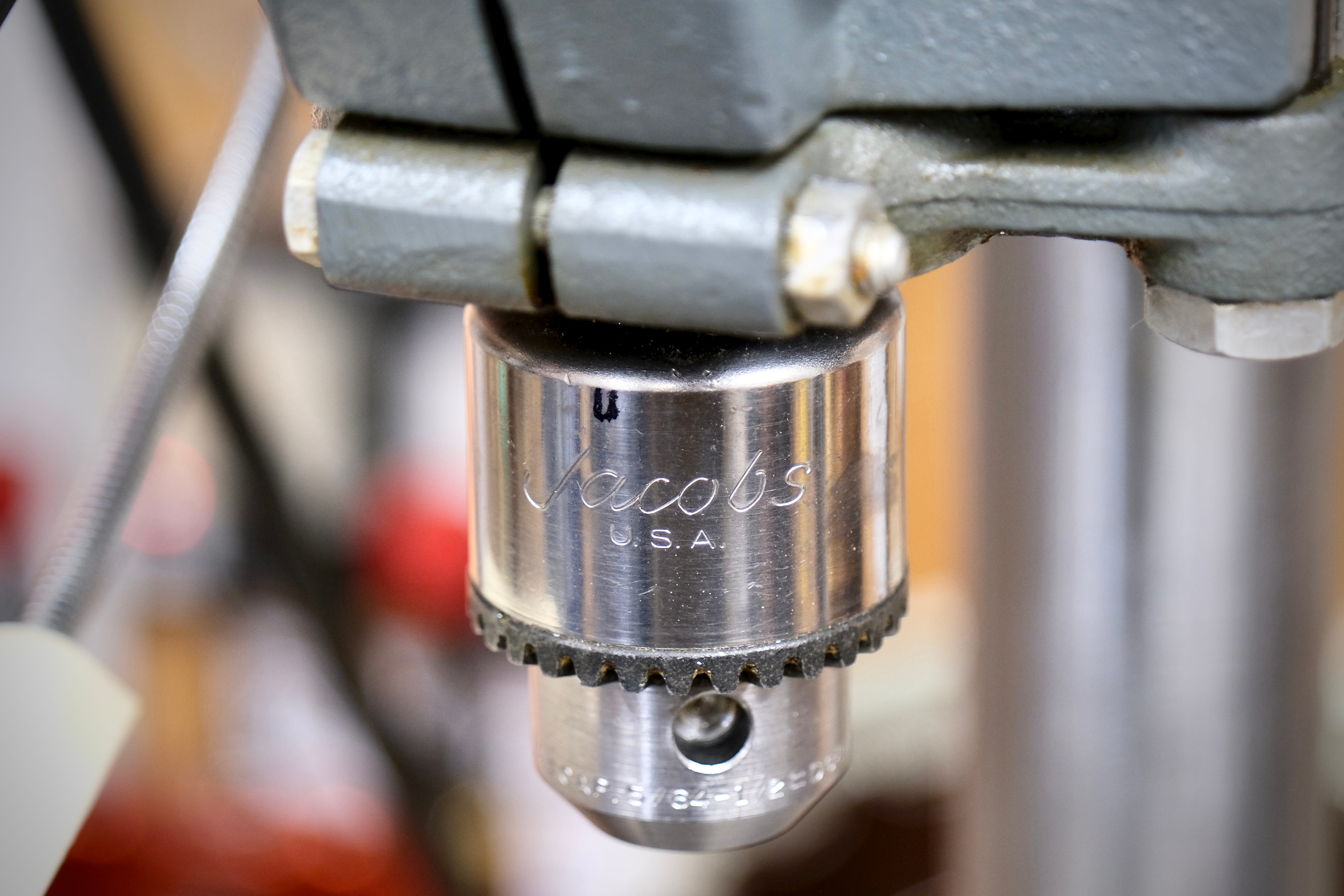
One of the things I immediately noticed when I went to look at the Rockwell was how little runout there was. Practically none. The chuck spins true, the quill feels smooth, and nothing about the machine feels sloppy. That’s becoming increasingly rare in lower and mid-priced modern drill presses, where you can sometimes watch the bit orbit like a moth to a flame.
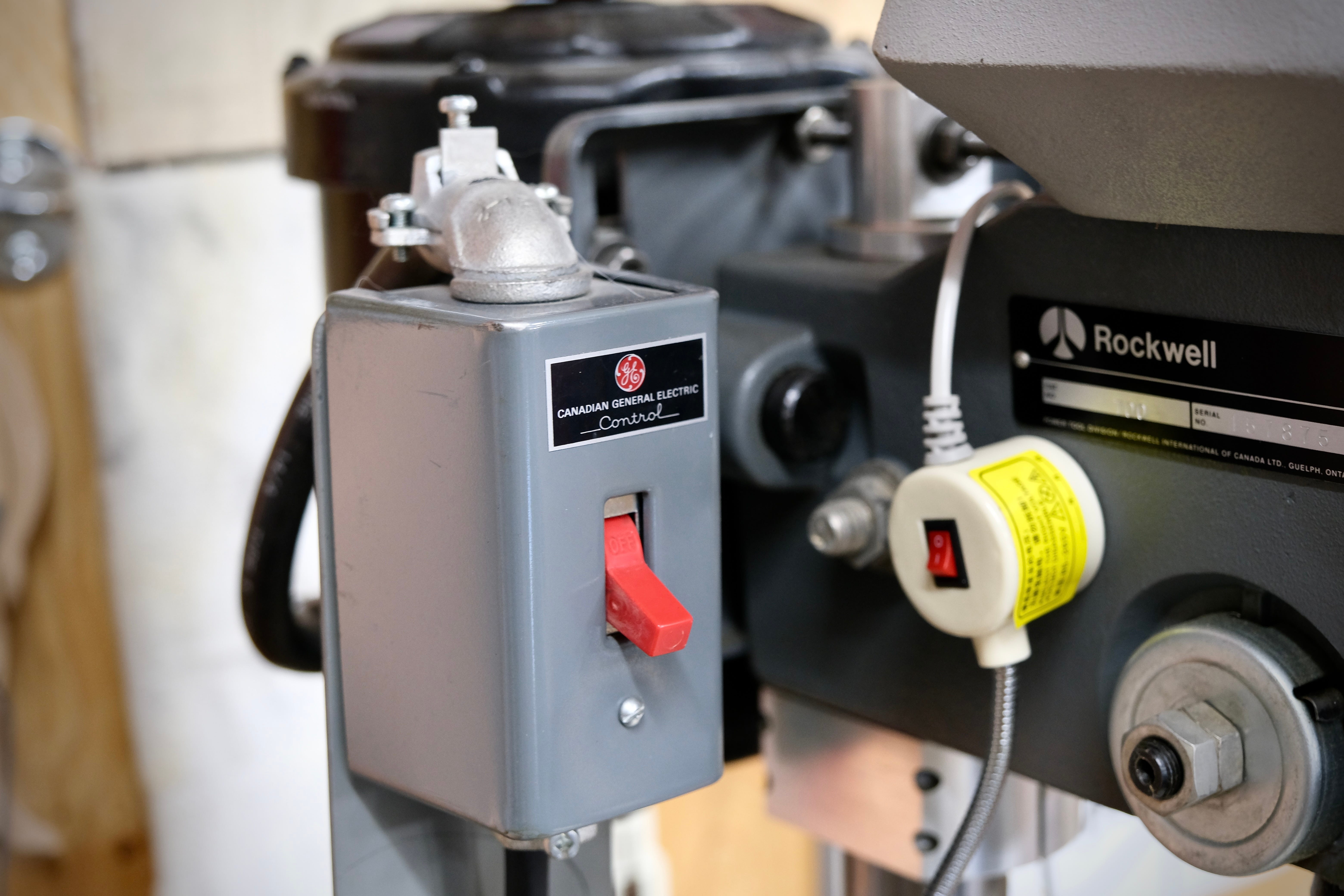
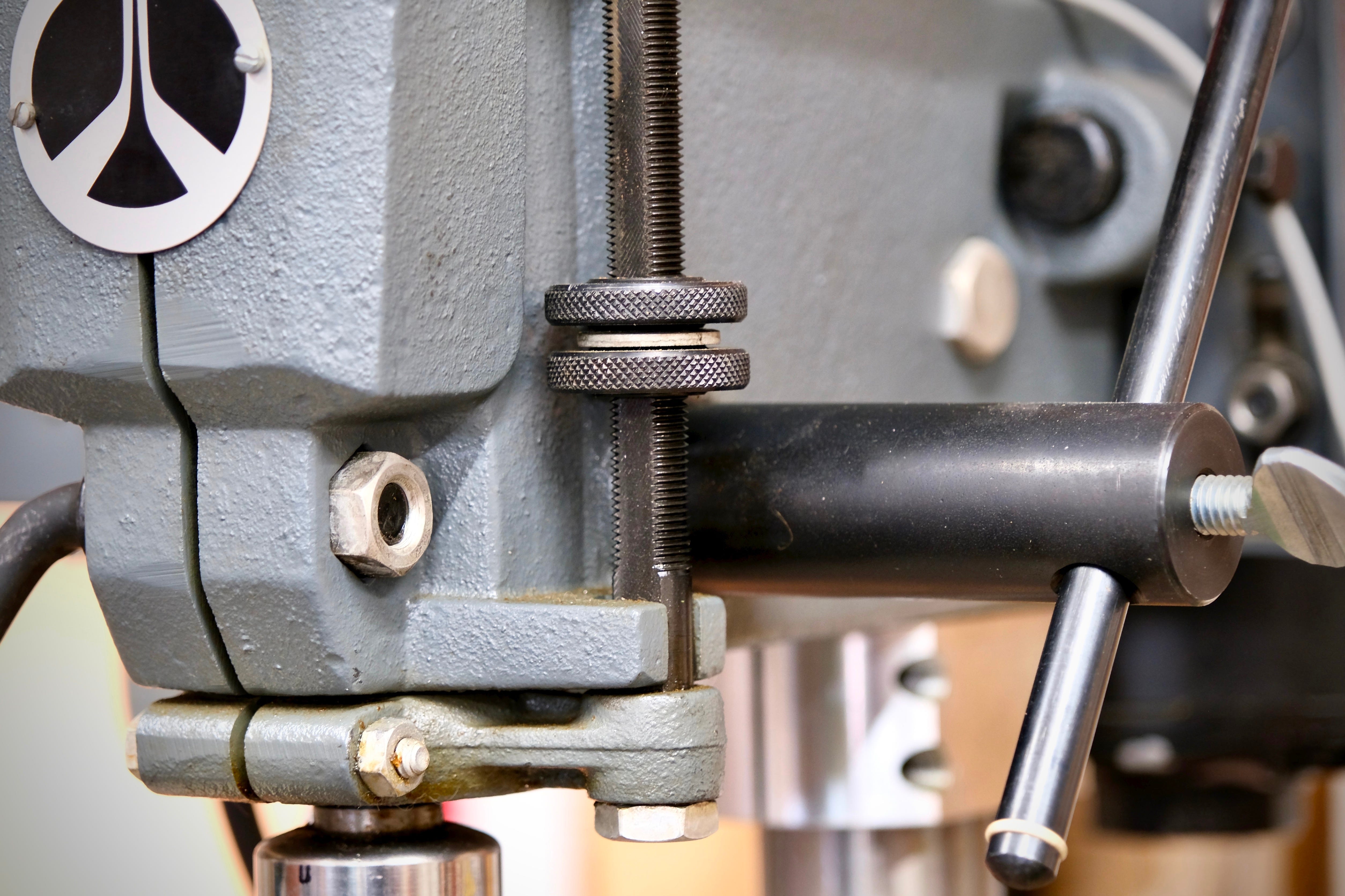
And then there’s the depth stop. You know. The thing that’s supposed to stop at a certain depth. On this machine, when you set the depth stop, it stays set. No slipping. No flexing white metal threaded post. No digital interface needing to recalibrate. Just a mechanical stop doing exactly what it was designed to do. That’s really the appeal of these older machines to me. Nothing is pretending to be smarter than it needs to be. The machine has one job: spin a drill bit accurately up and down. That’s it. And because that was the entire focus of the design, it does the job incredibly well.
This drill press doesn’t feel nostalgic to me. It feels focused. And that’s an important distinction because I’m not interested in old tools simply because they’re old. I’m not standing in the shop wearing woolen underwear and pretending it’s 1938 while ignoring all the advantages of modern tools. Some old tools deserve to stay old tools. Plenty of vintage machinery was inaccurate, awkward, or underpowered. But once in a while, you come across a machine that feels like it was built before marketing departments started steering product development.
Every part of this thing exists to support one operation: drilling holes accurately and repeatably. The handles are metal because they needed to survive thousands of cycles. The quill mechanism is smooth because slop affects performance. The castings are heavy because mass reduces vibration, and vibration reduces accuracy. None of those decisions were made to create a better product launch video. They were made because the machine needed to work properly in an actual shop. That focus changes the entire experience of using it. You stop interacting with the machine as a piece of technology and start interacting with it as a tool. There’s less negotiating. Less fiddling. Less navigating through features. You walk over, set the speed, install the bit, drill the hole, and move on with your life.
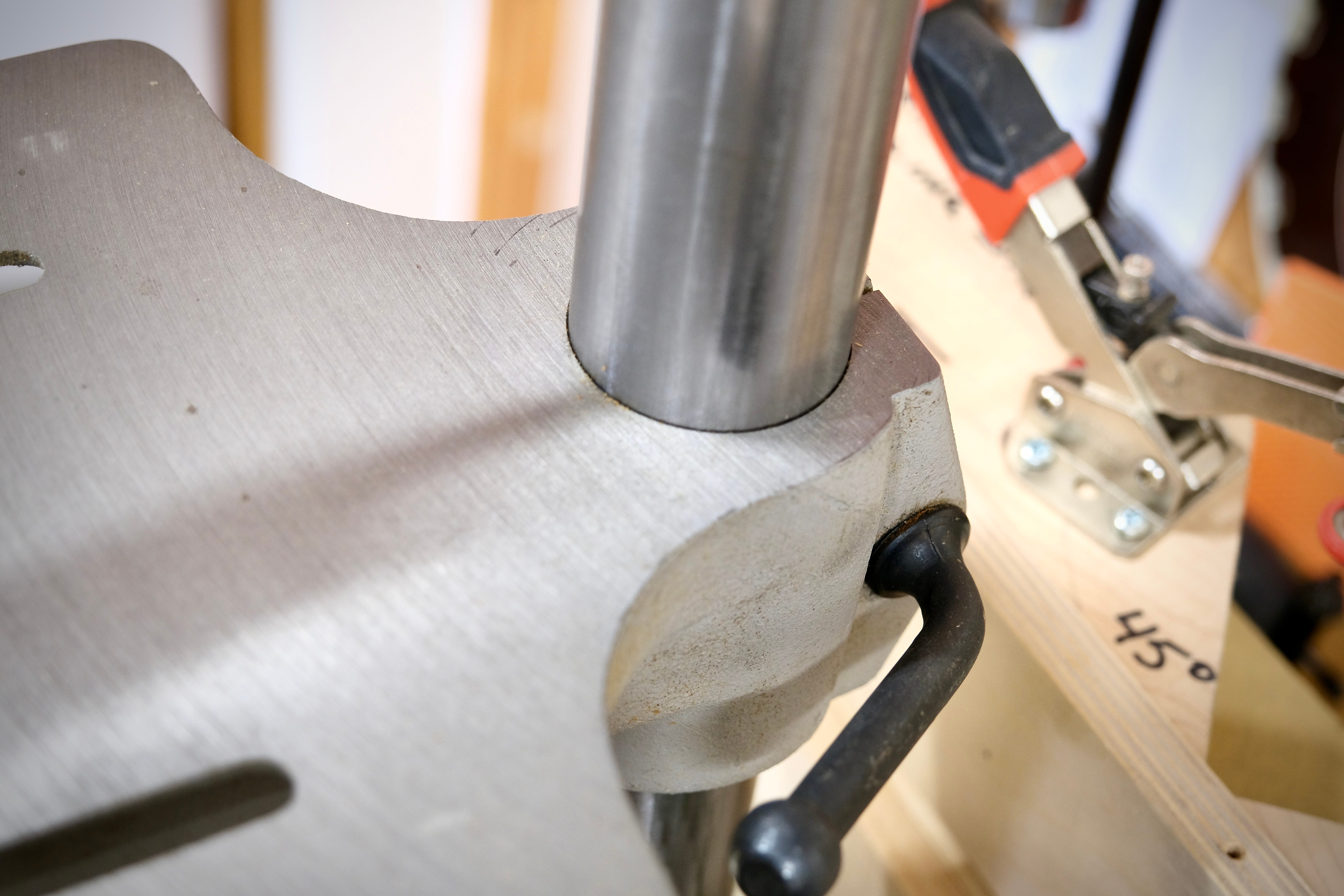
I think a lot of modern tools struggle with this. Somewhere along the way, “more features” became confused with “better.” But features often introduce friction. More electronics to fail. More interfaces between you and the actual work.
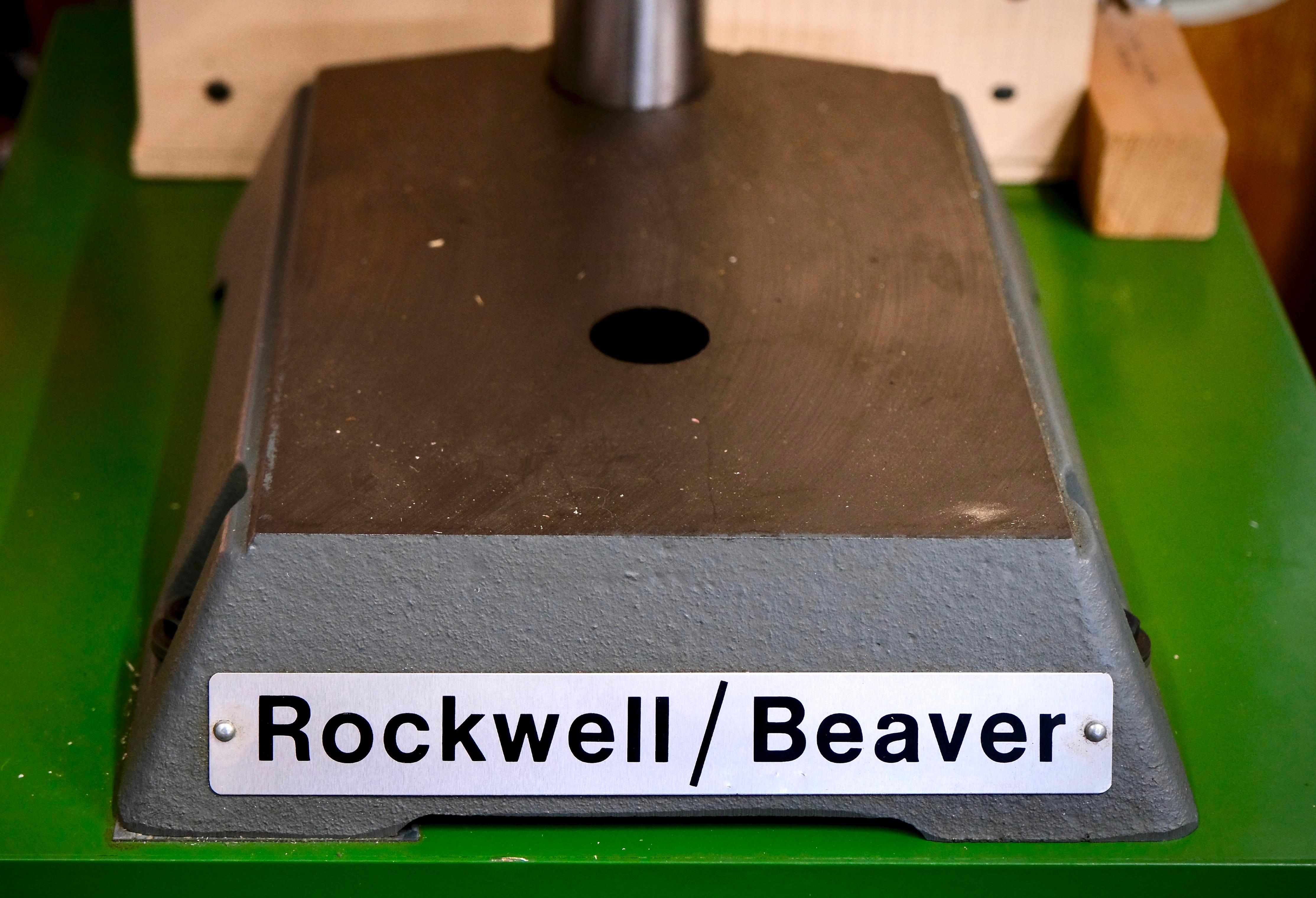
Sometimes it feels like modern machinery wants your attention constantly, like a toddler holding your pant leg while you’re trying to get something done. Older industrial machines often feel calmer than that. Not romantic, but calm. They were designed by people who understood that reliability is a feature. Repeatability is a feature. Predictability is a feature. A machine that starts every time and does its job without drama is a feature.
And honestly, I think that idea applies to woodworking itself. We spend a lot of time chasing complexity. More systems. More settings. More stuff. But good work usually comes from simple ideas executed well over and over again. That’s what this drill press reminds me of. Because in the end, I need a hole, not a drill press.
In order to understand, you must do - Vic
"Because in the end, I need a hole, not a drill press."
Perfect.
Yep, I have a 1940’s Walker Turner bench top drill press with a slow speed attachment and an early 70’s Rockwell floor model with 6 inches of travel. I have both for less than half the price of a contemporary high tech drill press. They are both solid, reliable, and do their jobs year after year. Drilling holes in wood doesn’t need to be complicated or require a degree in computer science.